Watercolor is one of the most beginner-friendly art mediums. With just a few paints, a brush, and some paper, you can create soft skies, delicate florals, and beautiful washes of color.
But walking into an art store (or browsing online), the choices feel overwhelming—pans, tubes, student grade, artist grade, and dozens of colors.
Here's the good news: you need far less than you think.
Pans vs. Tubes: Which Should You Choose?
Pan sets contain solid cakes of paint you activate with water. They're portable, tidy, and perfect for beginners. Most 12–24 color sets have everything you need to start.
Tube paints are liquid pigment you squeeze into a palette. They're more vibrant and better for large washes, but beginners often squeeze out too much and waste paint.
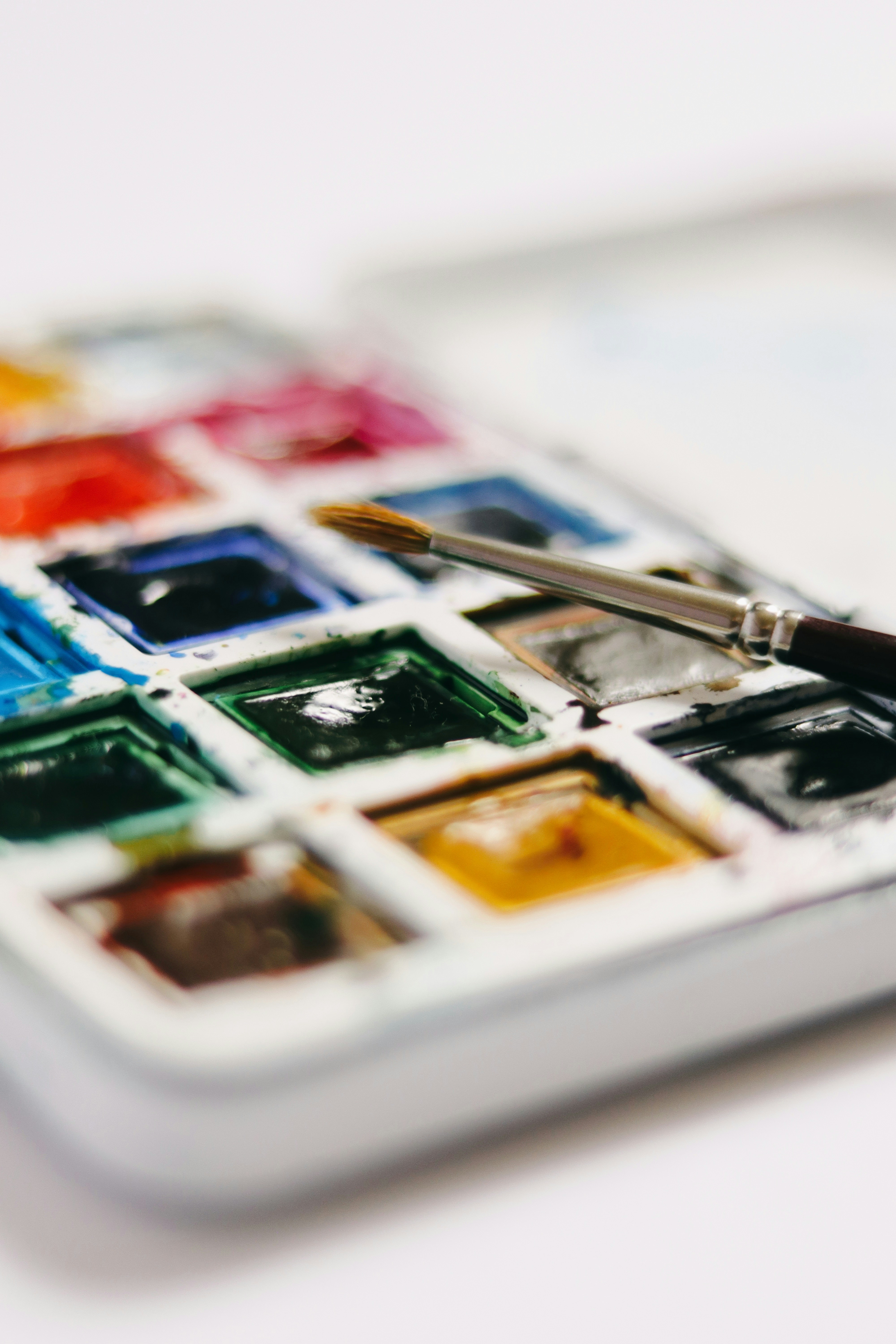
Watercolor pans are readily available in multiple brands Like Winsor & Cotman
Pro tip: You can squeeze tube paints into empty pans and let them dry—best of both worlds.
Student Grade vs. Artist Grade
Student grade paints are affordable and perfect for learning. The pigment is slightly less concentrated, but you won't notice while you're building skills.
Artist grade paints have richer pigment and brighter colors—but they cost more. Upgrade later once you're comfortable with the medium.
Start with student grade. You'll save money and learn faster without worrying about "wasting" expensive paint.
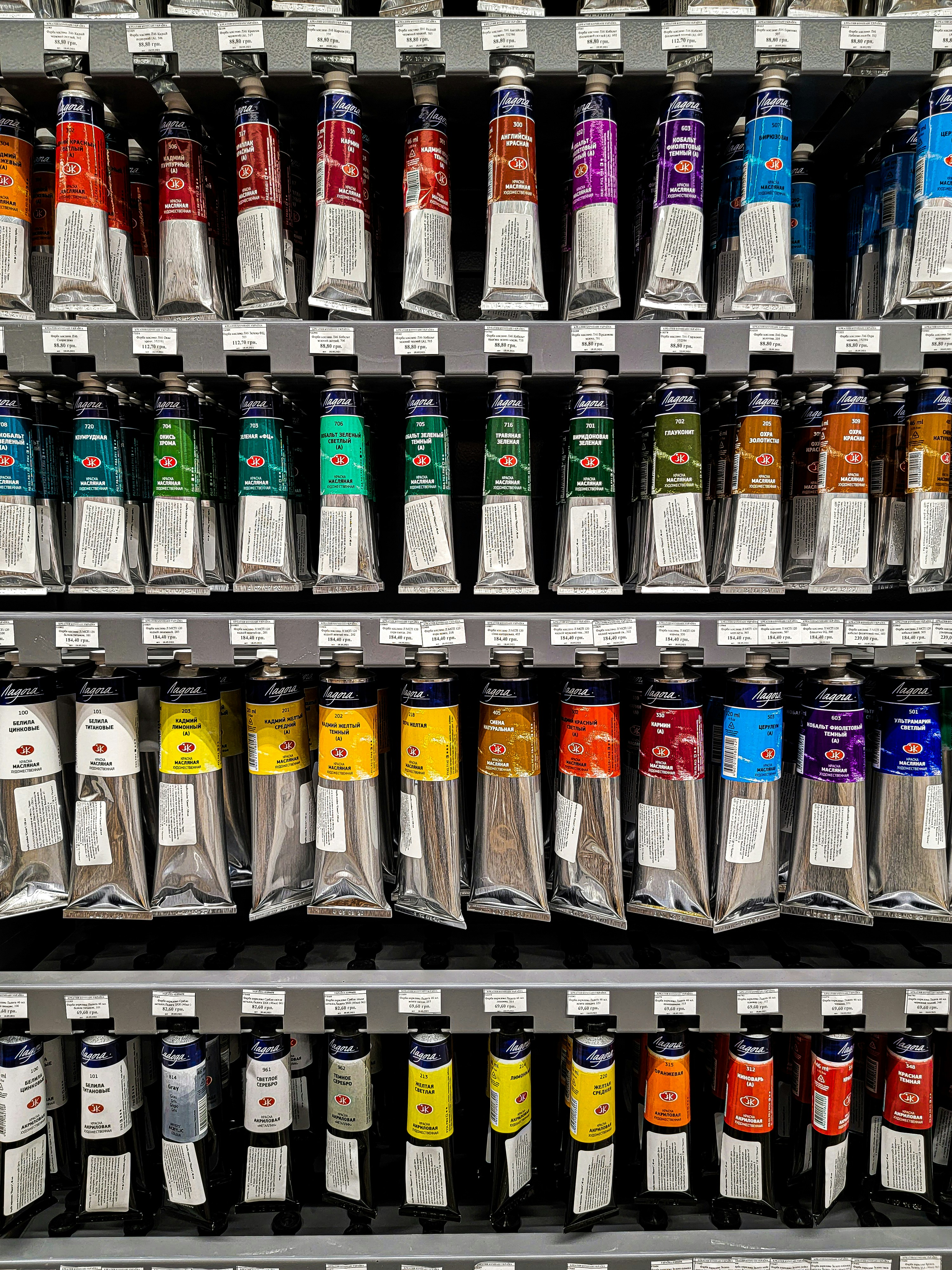
Watercolor tubes are readily available in multiple brands Like Winsor & Cotman, Daniel Smith and Sennelier- Photo By Moimy Ochyma on Unsplash
How Many Colors Do You Actually Need?
Here's a secret: you can paint almost anything with 8 colors.
A balanced beginner palette:
Learning to mix colors is more valuable than owning 48 shades you'll never touch.
Simple Supplies to Start
You don't need much:
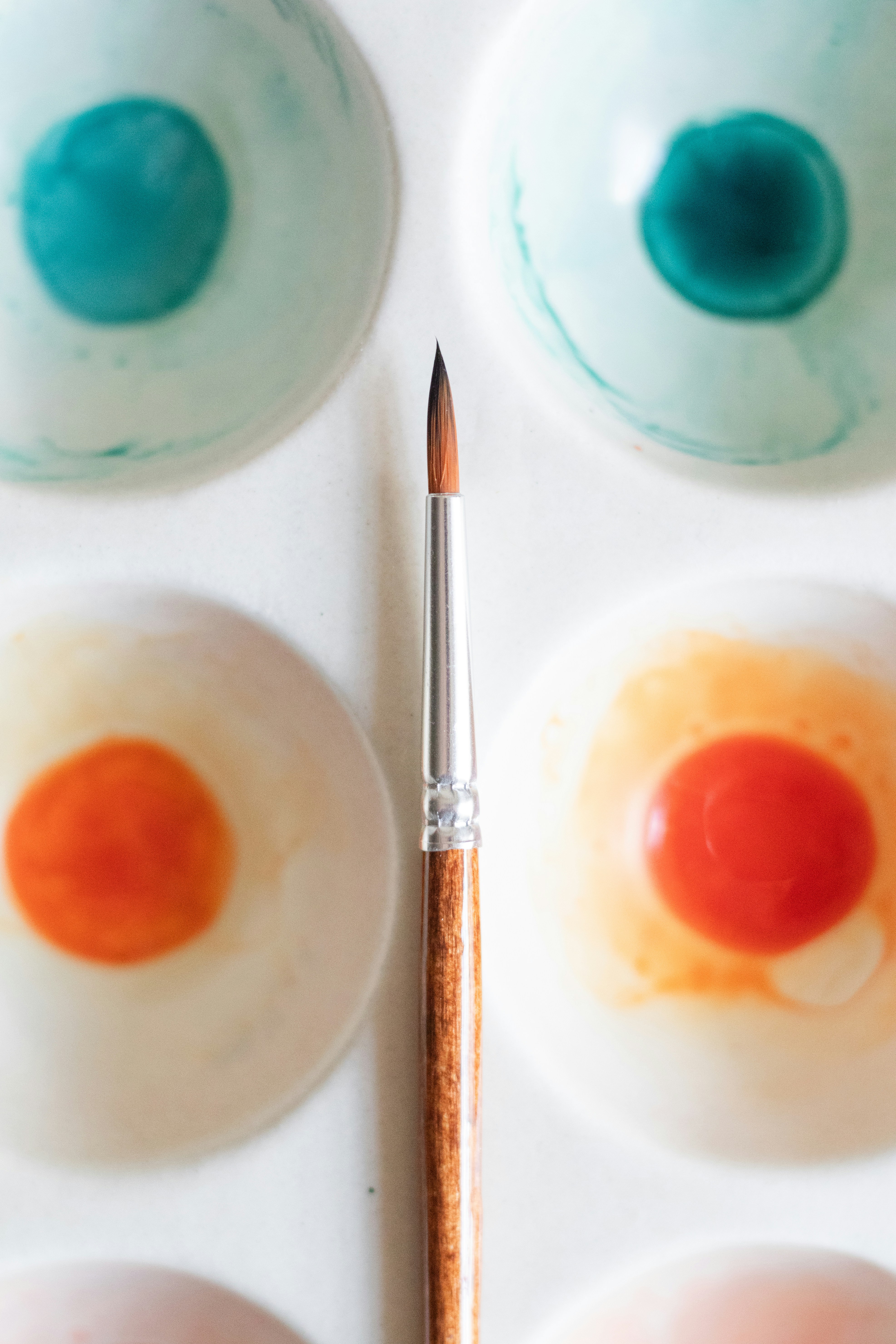
Brushes are readily available from multiple brands Princeton, Winsor Cotman and Black Velvet- Photo By Fiona Murray-deGraaff on Unsplash
That's it. Keep it simple so you can focus on painting, not managing supplies.
---
2 Simple Exercises to Try Today
Exercise 1: Gradient Wash
Paint a rectangle, starting with pure pigment on one side and gradually adding water as you move across. Watch how the color fades from dark to light. This teaches you water control—the most important watercolor skill.
Exercise 2: Loose Florals
Load your brush with pink or red, and paint 5 simple petal shapes in a circle. Don't aim for perfection—let the edges bleed and blend. Add a yellow center dot. Congratulations, you just painted a flower.
---
The bottom line: Watercolor rewards experimentation. Start small, keep your supplies simple, and don't be afraid to let the water do its thing.
Happy painting! 🎨